The Future of Automation in Temperature Control Systems
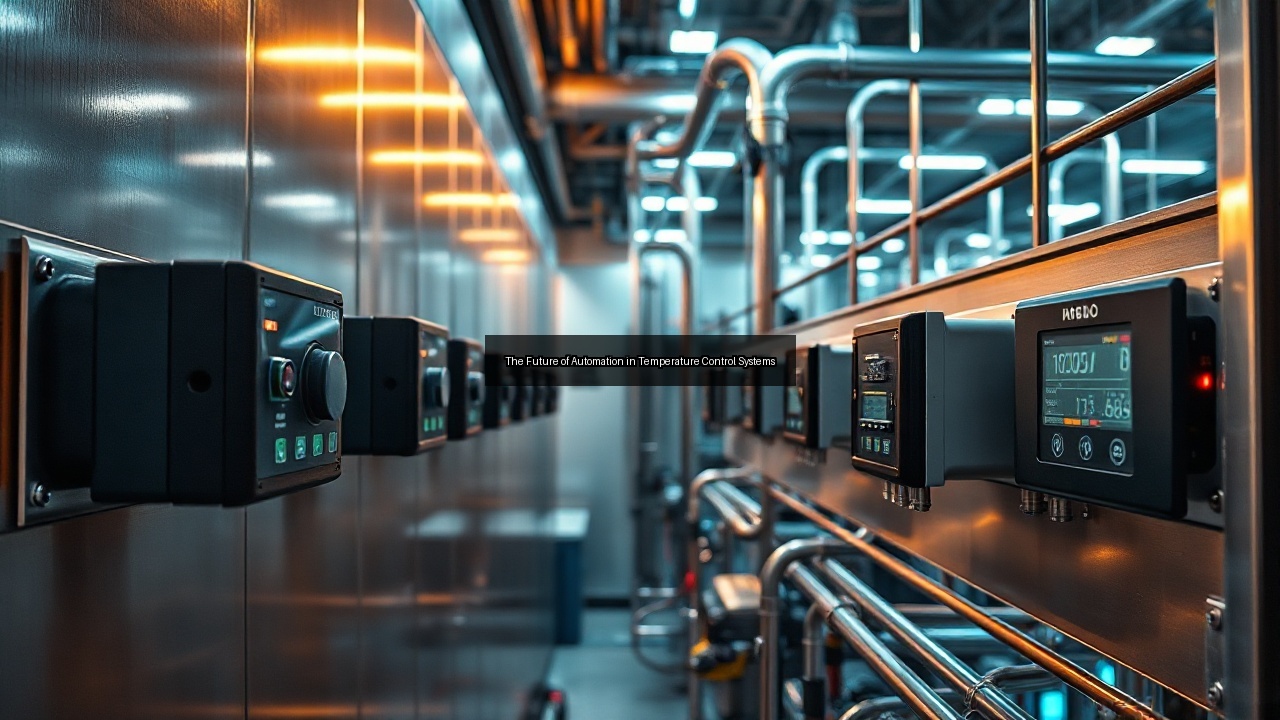
Understanding Automation in Temperature Control Systems
The Role of PID Control in Automation
PID control, which stands for Proportional-Integral-Derivative control, plays a crucial role in automating temperature regulation processes. This method allows systems to maintain desired temperature levels with remarkable precision. By continuously calculating the error between a set point and the measured temperature, PID controllers adjust the output to minimize this error. The proportional component responds to the current error, the integral component considers the accumulation of past errors, and the derivative component predicts future error trends. This combination ensures that the system reacts appropriately to both immediate changes and historical data, leading to enhanced stability and performance in temperature control.
Key Components of Temperature Measurement
Effective temperature measurement relies on key components that work together to provide accurate data. Temperature sensors, controllers, and data communication interfaces form the backbone of any temperature control system. Temperature sensors, such as thermocouples and RTDs (Resistance Temperature Detectors), detect the actual temperature of the environment or process. Controllers, often featuring PID algorithms, interpret this data and adjust heating or cooling mechanisms accordingly. Additionally, data communication interfaces like RS-485 and Modbus facilitate the transmission of temperature data to monitoring systems, enabling real-time adjustments and ensuring efficient operation.
Types of Temperature Sensors: Thermocouples and More
Temperature sensors come in various forms, each suited for specific applications. Thermocouples are among the most common types, known for their wide temperature range and rapid response time. They consist of two dissimilar metals joined at one end, generating a voltage proportional to temperature differences. Other sensors, such as thermistors and RTDs, offer different advantages. Thermistors provide high sensitivity in a limited range, while RTDs deliver exceptional accuracy and stability over broader temperature ranges. Understanding these differences empowers engineers to select the appropriate sensor for their temperature control needs, ensuring optimal performance in processes that demand precision and reliability.
Advancements in Temperature Control Technologies
The Impact of RS-485 and Modbus on Data Communication
Data communication technologies like RS-485 and Modbus revolutionize temperature control systems by enhancing connectivity and integration. RS-485 allows multiple devices to communicate over long distances, making it ideal for industrial environments. This standard supports a multi-drop configuration, enabling several temperature sensors and controllers to share a single communication line. Modbus, as a communication protocol, simplifies the interaction between various devices, allowing them to exchange data seamlessly. The combination of RS-485 and Modbus enables temperature control systems to operate more efficiently, facilitating centralized monitoring and control that enhances overall process efficiency.
Exploring DIN Rail and Panel-Mount Controllers
DIN rail and panel-mount controllers offer flexibility in temperature control system design. DIN rail controllers, designed for easy mounting on standard rails, are ideal for industrial settings where space is at a premium. Their modular design allows for quick installation and maintenance. Panel-mount controllers, on the other hand, provide a more traditional approach for environments where visibility and accessibility are priorities. Both types of controllers are equipped with configurable inputs and outputs, making them adaptable to various applications. Selecting the right mounting style can significantly impact the efficiency and effectiveness of temperature control systems, particularly in complex industrial operations.
Configurable Inputs and Outputs for Enhanced Functionality
Configurable inputs and outputs (I/O) enhance the functionality of temperature control systems by allowing users to customize their setups according to specific application needs. This adaptability enables the integration of different types of sensors and actuators, catering to unique process requirements. For example, controllers can be programmed to accept signals from thermocouples, RTDs, or even infrared sensors, providing versatility in temperature measurement. Similarly, output configurations can be adjusted to control various heating or cooling devices, ensuring that the system responds optimally to changing conditions. This level of customization not only improves performance but also simplifies troubleshooting and system upgrades.
Precision and Accuracy in Temperature Regulation
Achieving Accurate Temperature Measurement
Accurate temperature measurement is critical in ensuring the efficiency and effectiveness of temperature control systems. Precision in measurement directly impacts the performance of processes that depend on maintaining specific temperature thresholds. High-quality sensors, such as thermocouples and RTDs, are essential in achieving this accuracy. The choice of sensor must align with the temperature range and environmental conditions of the application. Additionally, ambient factors like humidity and pressure can influence sensor readings, making calibration a vital step in the measurement process. Regular calibration ensures that sensors maintain their accuracy, leading to reliable temperature control and optimal process performance.
Calibration Techniques for Process Temperature Controllers
Calibration techniques for process temperature controllers ensure that measurements remain accurate over time. Several methods exist, including comparison calibration, where the sensor is compared against a known standard, and adjustment calibration, where the readings are adjusted to match the standard. Calibration should occur regularly, especially in critical applications, to account for sensor drift or environmental changes. Implementing a systematic calibration schedule not only enhances measurement accuracy but also prolongs the lifespan of temperature sensors and controllers. Following best practices in calibration strengthens the foundation of effective temperature control, ensuring processes operate within desired parameters.
Comparative Analysis of PID Controllers and Thermostats
PID controllers and thermostats serve different functions in temperature control systems, each with its advantages and limitations. PID controllers offer advanced control capabilities, adjusting outputs dynamically based on continuous feedback from temperature sensors. This allows for precise regulation of temperature in processes where fluctuations can lead to significant issues. In contrast, thermostats function as simple on/off switches, maintaining a set temperature by activating or deactivating heating and cooling devices. While thermostats are sufficient for basic applications, PID controllers excel in complex industrial environments where precision and responsiveness are critical. Understanding these differences helps in selecting the right control strategy for specific temperature regulation needs.
Future Trends in Temperature Control Automation
Integration of Infrared Temperature Measurement
Infrared temperature measurement represents a significant advancement in temperature control automation. This non-contact method uses infrared sensors to detect temperature variations without physical contact with the object being measured. This technology is particularly useful in processes involving moving parts or hazardous materials, where traditional sensors might not be viable. Infrared sensors provide rapid response times and can measure a wide range of temperatures, enhancing overall system efficiency. As industries seek more innovative solutions for temperature control, the integration of infrared measurement will likely become more prevalent, offering enhanced precision and safety in diverse applications.
Emerging Technologies in Industrial Temperature Controls
Emerging technologies are shaping the future of industrial temperature controls, introducing new capabilities and efficiencies. The rise of IoT (Internet of Things) allows for smarter temperature control systems that can communicate with each other and adapt to changing conditions in real-time. Advanced algorithms and machine learning can optimize control strategies, predicting temperature fluctuations and adjusting responses proactively. Additionally, wireless communication technologies improve the flexibility of system designs, allowing for remote monitoring and control. These innovations promise to enhance energy efficiency, reduce downtime, and improve the overall reliability of temperature control systems in various industrial applications.
Selecting the Right Controller for Your Application
Selecting the right process temperature controller involves understanding the specific needs of your application. Factors such as the temperature range, type of sensors, required precision, and environmental conditions play critical PID controller options roles in this decision. Manufacturers offer a variety of options, including PID controllers, panel-mount controllers, and DIN-rail controls, each tailored for different scenarios. Evaluate the controller's configurable inputs and outputs to ensure compatibility with your existing systems. Additionally, consider future scalability and integration capabilities, particularly with emerging technologies. Making an informed choice will lead to more efficient temperature control, ultimately enhancing productivity and safety in your operations.
See Also
- Mastering Precision in Industrial Settings with Process Temperature Controllers
- The Advantages of DIN Rail Mounted Temperature Controllers
- Understanding the Role of Thermocouples in Temperature Measurement
- Temperature Control Strategies for Different Mounting Styles
- Selecting the Best Temperature Measurement Devices for Your Needs