Essential Tips for Maintaining Your Oil Storage Tanks
Understanding Oil Storage Tanks
Types of Oil Storage Containers
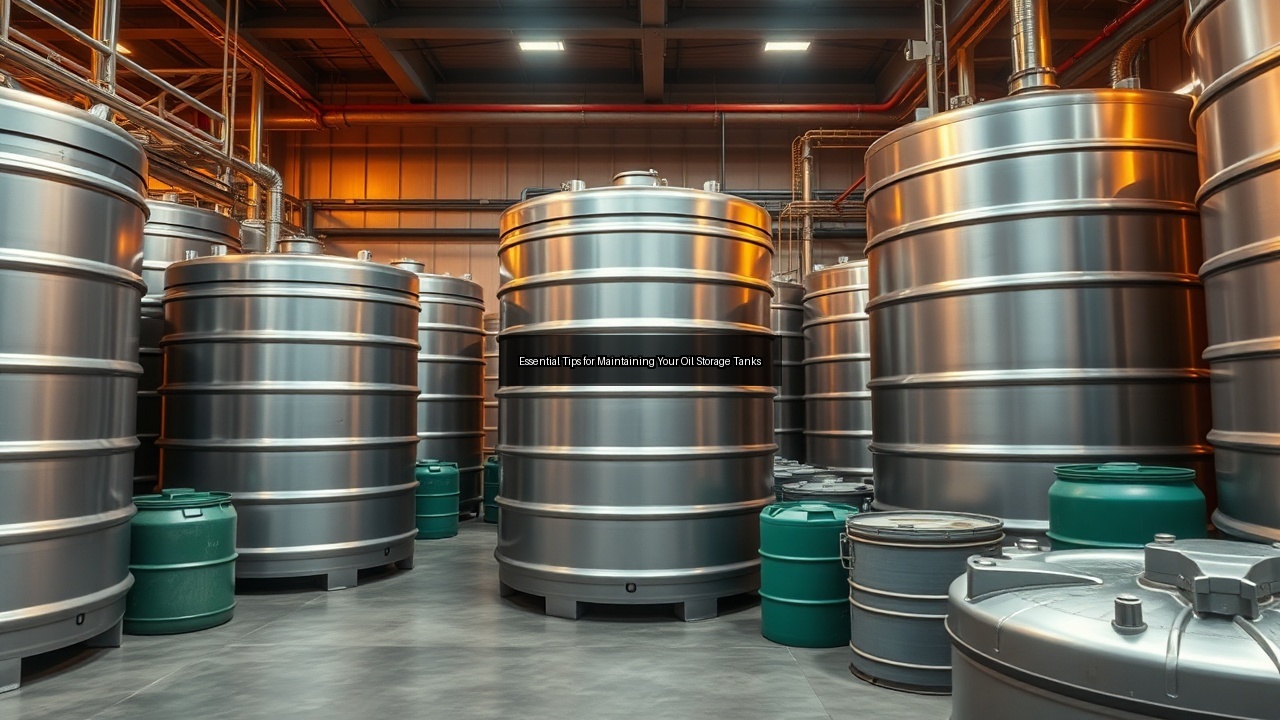
Oil storage containers come in various shapes and sizes, each designed to meet specific storage needs. Common types include above-ground storage tanks (ASTs) and underground storage tanks (USTs). ASTs are often made from steel or fiberglass and are typically easier to inspect, allowing for better monitoring of their condition. They can hold anywhere from a few hundred to thousands of gallons of oil, making them ideal for commercial use in industries such as transportation, manufacturing, and energy production. USTs, on the other hand, are buried underground and usually serve residential properties or small businesses, providing discreet storage while minimizing exposure to environmental factors.
Another option is the portable plastic container, which is suitable for transporting smaller quantities of oil for containers for storing oil personal or commercial use. These containers are lightweight and often come with safety features such as spouts or nozzles to prevent spills during transfer. For those needing a more mobile solution, drum storage offers a versatile option, allowing for easy handling and dispensing through gravity feed systems. Drums typically hold around 55 gallons and are commonly used in various sectors, including automotive maintenance and agriculture.
Key Features of Oil Tanks
When selecting oil storage tanks, consider key features that enhance their functionality and safety. A tank's capacity is crucial; it can range from a few gallons in small containers to thousands in large tanks. Look for tanks with built-in gauges that display current oil levels, ensuring easy monitoring and reducing the risk of overfilling. Additionally, many tanks incorporate advanced safety features such as leak detection systems and secondary containment to prevent spills and mitigate environmental impact. Tanks made from corrosion-resistant materials, like polyethylene or coated steel, significantly extend their lifespan and reduce maintenance costs.
Insulation is another important feature, especially for outdoor tanks, as it helps maintain the oil's temperature, preventing viscosity changes that can affect flow rates. Furthermore, consider the installation of filtration systems that can catch particulates and contaminants before they enter the tank. These enhancements not only improve the quality of the stored oil but also ensure that the tank operates efficiently over time.
Common Uses for Oil and Gas Storage
Oil and gas storage serves multiple purposes across various industries, making it a critical infrastructure component. Residential users often rely on oil tanks for heating fuel, ensuring a consistent supply during colder months. In agriculture, oil storage containers are essential for holding lubricants and fuels for machinery, helping maintain productivity and operational efficiency. Industrial facilities require large tanks for bulk oil and gas, facilitating operations in manufacturing and energy production, where large volumes of fuel are needed for generators and machinery.
The transportation sector also utilizes storage tanks for fuel, ensuring that vehicles maintain optimal performance and are always ready for operation. Additionally, businesses involved in oil refining or distribution require specialized storage solutions for various oil products, including crude oil, diesel, and gasoline. The versatility of oil storage containers makes them indispensable across these sectors, enabling efficient supply chain management and operational continuity.
Best Practices for Maintaining Oil Storage Tanks
Regular Inspections for Safety and Efficiency
Regular inspections of oil storage tanks are vital for ensuring safety and efficiency. Schedule inspections at least once a year to identify potential issues such as leaks, corrosion, or structural damage. Trained professionals should conduct these inspections, checking seals, gaskets, and connections for any signs of wear. Inspect the tank's exterior for rust or damage, and ensure that the area surrounding the tank is free from debris that could cause accidents or hinder emergency responses. Pay close attention to the tank's gauges and monitoring systems, ensuring they function correctly and provide accurate readings of oil levels.
Keeping records of all inspections and maintenance activities helps track the tank's condition over time, making it easier to identify trends or recurring issues. Consider implementing a digital management system that allows for real-time monitoring and alerts for maintenance schedules. This proactive approach can significantly reduce the risk of catastrophic failures and enhance overall safety.
Cleaning and Preventive Maintenance
Cleaning oil storage tanks is essential for maintaining their efficiency and longevity. Schedule a thorough cleaning every three to five years, depending on usage and oil type. During cleaning, remove any sediment or sludge that may accumulate at the bottom of the tank. This buildup can lead to contamination and affect the quality of the oil stored, potentially causing equipment failures down the line. Preventive maintenance includes checking for leaks, ensuring proper ventilation, and inspecting the integrity of seals and fittings regularly.
Additionally, consider using additives that combat corrosion and improve oil quality. Regularly flushing the system and replacing filters helps maintain optimal lubrication and reduces the risk of future problems. Implementing a routine maintenance schedule that includes these practices can significantly extend the life of your oil storage system and enhance operational performance.
Managing Oil Levels and Lubricants
Managing oil levels in storage tanks is crucial for efficient operations. Install gauges for real-time monitoring of oil levels, ensuring you never run low and can plan for refills accordingly. Regularly check and record these levels to maintain a consistent supply and avoid operational disruptions. Understanding the type of oil and lubricant used is essential, as different applications require specific oils based on viscosity, temperature range, and application needs. Ensure that you store lubricants in compatible containers to prevent contamination and maintain their properties.
Consider using compatibility charts to determine the best storage methods for various oils. For bulk storage, maintaining a proper rotation system helps use older stock first, reducing the risk of oil degradation over time. Implementing a systematic approach to inventory management, including tracking expiration dates and usage rates, ensures that your operations run smoothly and that you always have the appropriate materials on hand.
Safety Tips for Oil Storage
Emergency Preparedness and Response
Developing an emergency preparedness plan is crucial for managing oil storage tanks effectively. Identify potential risks such as leaks, spills, or fires, and create protocols to address these emergencies. Equip your facility with spill kits, absorbent materials, and proper firefighting equipment to handle potential incidents. Train employees on emergency procedures, ensuring everyone knows how to respond effectively and can act without hesitation in a crisis. Regularly conduct drills to test the plan's effectiveness and make necessary adjustments based on feedback and observed outcomes.
Maintain clear communication channels, including emergency contact numbers, and ensure that local authorities are aware of your operations. Having a well-prepared response plan minimizes risks and protects both personnel and the environment, fostering a culture of safety that benefits everyone involved.
Proper Handling and Storage Techniques
Proper handling and storage techniques are fundamental to maintaining safety around oil storage containers. Always use appropriate personal protective equipment (PPE) when working near oil tanks. This includes gloves, goggles, and flame-resistant clothing to protect against hazards. Ensure that containers are clearly labeled, indicating their contents and any associated hazards to prevent mishaps. Store oil tanks in well-ventilated areas, away from sources of ignition or heat, to reduce the risk of fires. Implement best practices for tank filling, avoiding overfilling and ensuring that the tank is appropriately grounded to prevent static buildup, which can lead to dangerous situations.
Regular training sessions on safe handling techniques will foster a culture of safety and awareness among employees, reinforcing the importance of diligence in maintaining oil storage safety protocols and reducing the likelihood of accidents.
Environmental Considerations and Regulations
Adhering to environmental regulations is essential when managing oil storage tanks. Understand local, state, and federal laws that govern oil and gas storage to ensure compliance and avoid potential fines. Many regions require permits for oil storage tanks, especially for large capacities that could pose a higher risk of environmental contamination. Implementing best practices not only ensures compliance but also protects the environment from potential spills and leaks, demonstrating corporate responsibility and commitment to sustainability.
Regularly review and update your environmental policies oil container to reflect current regulations and industry standards. Consider conducting environmental impact assessments to identify areas for improvement in your operations. Engaging with local communities about your operations fosters transparency and helps build trust, ensuring that your oil storage practices align with environmental stewardship and contribute positively to public health and safety.