Exploring Advanced Technologies in Modular Skid Fabrication
Introduction to Modular Skid Fabrication
Overview of Modular Process Skids
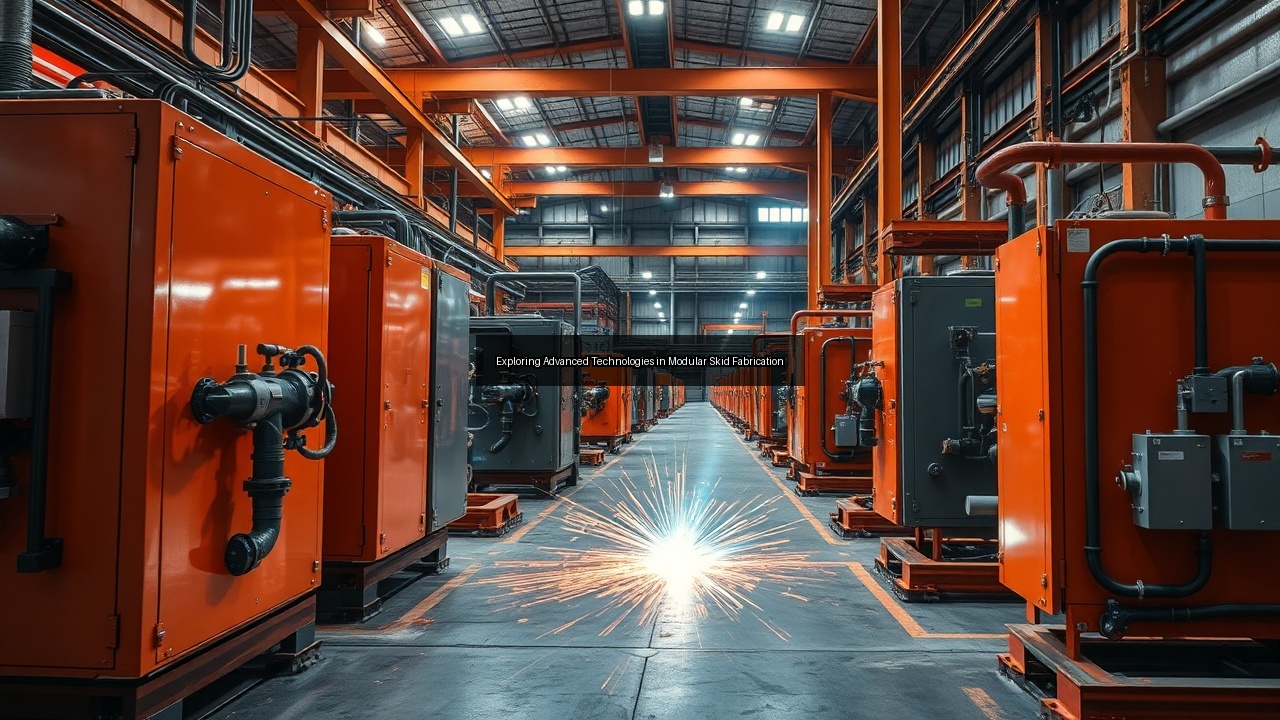
Modular process skids combine pumps, valves, piping, and control systems into compact, transportable units that speed project timelines. Fabricators build these skids off-site in controlled shops, then ship them ready for quick connection at the plant. This approach cuts field construction time dramatically and reduces weather-related delays common in remote oil and gas locations. Engineers tailor each modular process skid to exact process requirements, allowing seamless integration with existing infrastructure. Companies rely on these units for everything from chemical injection to gas compression because they arrive pre-tested and pre-wired.
Importance in the Oil and Gas Industry
The oil and gas industry depends on modular skids to maintain production schedules while meeting strict environmental rules. Modular process systems fit tight footprints on offshore platforms and crowded onshore sites where space remains limited. Fabricators deliver fully assembled modules that operators simply bolt down and commission, minimizing downtime during turnarounds. Skid fabrication supports rapid deployment of new wells and processing facilities across American shale plays and Gulf Coast refineries. Industry leaders choose skid fabrication because it delivers consistent quality under controlled shop conditions rather than variable field environments.
Key Benefits of Modular Skids
Modular skids offer clear advantages in cost control, safety, and schedule predictability. Shop fabrication allows parallel construction while site work proceeds, shaving months off total project duration. Pre-assembled units undergo thorough testing before shipment, lowering the risk of startup issues. Transportable designs also simplify relocation when production needs change. Manufacturers achieve higher weld quality and finish standards inside climate-controlled facilities, which improves long-term reliability of alloy piping and pressure vessels. Operators report fewer leaks and reduced maintenance after installation because every component receives inspection during the fabrication process.
Advanced Technologies in Skid Fabrication
Innovative Welding Techniques
Skid fabrication welding now incorporates orbital welding systems that produce consistent, high-purity seams on stainless and alloy tubing. Automated GTAW machines maintain precise heat input, reducing distortion on thin-wall pipe common in modular process skids. Fabricators also deploy laser-hybrid welding for thicker carbon steel frames, achieving deeper penetration with less filler material. These methods cut weld time by up to forty percent while meeting ASME and API code requirements. Shop teams use real-time monitoring sensors during welding to catch defects before they reach final inspection, ensuring every modular skid leaves the facility ready for service.
Machining Advances for Custom Skids
Modern CNC machining centers allow precise fabrication of custom skid bases and equipment mounts with tolerances measured in thousandths of an inch. Five-axis mills create complex manifolds and valve blocks from solid alloy billets, eliminating multiple leak paths that once required welded fittings. Waterjet and plasma cutters produce intricate bracketry from plate stock quickly and with minimal heat-affected zones. These advances enable skid fabricators to accommodate last-minute design changes without delaying delivery. Custom skid fabrication benefits directly from faster machining cycles that keep projects on budget and schedule.
Automation in Skid Fabrication
Automated material handling systems move heavy spools and skids between welding stations without manual lifting, improving both safety and throughput. Robotic arms perform repetitive grinding and painting tasks with uniform results across every modular process system. Software-driven nesting programs optimize plate and pipe usage, reducing scrap rates in the skid fabrication shop. Integrated project management platforms track every step from material receipt through final quality assurance, giving clients live visibility into progress. Automation also supports consistent documentation required for regulatory compliance in the oil and gas industry.
Design Considerations for Modular Process Systems
Factors Influencing Design Choices
Design teams evaluate process conditions, transport limits, and future expansion needs before finalizing any modular skid layout. Weight distribution, lifting points, and road clearance dictate frame construction and bracing strategies. Engineers select materials based on corrosion allowances, pressure ratings, and temperature extremes typical of American oil and gas operations. Piping routes must accommodate thermal expansion while keeping overall dimensions within legal transport envelopes. Early collaboration between process designers and fabrication specialists prevents costly rework once steel hits the shop floor.
Safety Standards and Compliance
Every modular skid must satisfy OSHA, API, and ASME requirements before shipment. Fabricators incorporate pressure relief devices, proper grounding, and accessible maintenance platforms directly into the design. Explosion-proof electrical enclosures and classified-area ratings protect workers at hazardous locations. Third-party inspectors review weld procedures and material traceability records throughout the fabrication process. Compliance documentation travels with each skid, simplifying operator permitting and insurance approvals upon arrival at site.
Quality Management Practices
Robust quality management systems track material certifications, welder qualifications, and inspection results from the first cut through final testing. Digital checklists enforce consistent hold points at critical stages of skid fabrication. Non-destructive examination methods such as ultrasonic and radiographic testing verify weld integrity on pressure-retaining components. Corrective action procedures address any nonconformance immediately, preventing defects from moving downstream. Clients receive complete quality packages that demonstrate adherence to specifications and industry codes.
The Fabrication Process: Steps and Quality Assurance
Overview of the Fabrication Process
The fabrication process begins with detailed engineering drawings and a bill of materials. Shop teams cut, fit, and weld structural steel frames before installing process piping and equipment. Technicians route electrical and instrumentation cabling, then connect control panels. Pressure testing follows assembly, confirming leak-free performance at design conditions. Final coatings protect surfaces during transport and operation. Coordinated scheduling keeps every discipline working in sequence, delivering complete modular process skids on time.
Role of Quality Control in Skid Fabrication
Quality control specialists verify dimensions, weld quality, and material traceability at each stage of skid fabrication. They witness hydrotests, review mill certificates, and confirm proper torque on all bolted connections. Digital records capture every measurement and inspection result for client review. This disciplined approach catches issues early, avoiding expensive field repairs later. Thorough quality control builds operator confidence that each modular skid will perform reliably from day one.
Risk Management in Fabrication
Fabricators identify schedule, cost, and technical risks during the bid phase and maintain mitigation https://agifabricators.com/process-skids/ plans throughout the project. Material lead times receive close monitoring, with approved alternates ready if primary suppliers falter. Shop capacity buffers absorb unexpected rework without impacting delivery dates. Regular progress meetings with clients surface concerns while solutions remain inexpensive. Effective risk management protects both the skid fabrication company and the end user from costly surprises.
Choosing the Right Skid Fabrication Company
Evaluating Manufacturers and Services
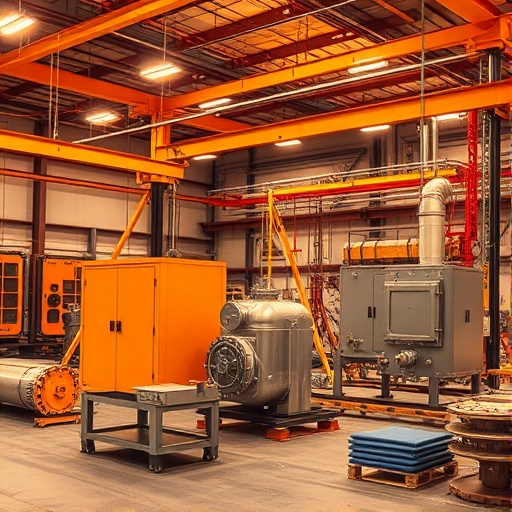
Prospective clients should examine a skid fabrication company’s project portfolio, shop capacity, and engineering depth before awarding work. Site visits reveal equipment condition, workforce skill levels, and adherence to lean manufacturing principles. References from previous oil and gas clients provide insight into communication style and problem-solving ability. Companies offering full engineering, procurement, and fabrication services under one roof often deliver faster turnaround on custom skid fabrication projects.
Licensing and Certifications to Consider
Confirm that the fabricator holds current ASME stamps for pressure vessels and piping, along with API certifications where required. Welder qualifications must cover the alloys and procedures specified for the job. ISO 9001 registration signals disciplined quality management practices across the entire operation. State contractor licenses and insurance coverage protect the project owner from liability. Proper licensing and certifications separate reputable skid fabricators from those unable to meet code requirements.
Cost Considerations and Budgeting
Accurate budgeting includes material, labor, engineering, testing, and transportation line items. Early engagement with a skid fabrication company allows value-engineering suggestions that reduce cost without sacrificing performance. Fixed-price contracts with clear scope definitions minimize change-order exposure. Buyers should compare total installed cost rather than fabrication price alone, because modular skids reduce expensive field labor. Transparent pricing and realistic schedules help operators maintain project economics throughout execution.
See Also
- Innovative Welding Methods Transforming Modular Process Skid Design
- Safety Standards in Skid Fabrication Processes You Should Know
- The Future of Modular Skids in Energy Efficient Designs
- Navigating Quality Control in Custom Skid Fabrication Projects
- Cost-Effective Strategies for Skid Fabrication in Construction